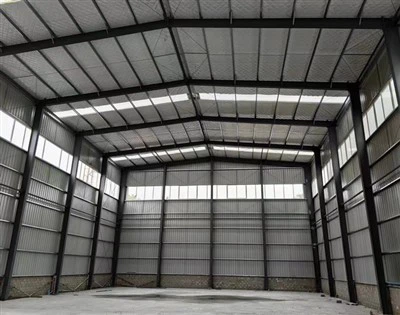
In the realm of modern construction, steel frame buildings have emerged as a cornerstone of innovation and reliability. As a supplier of Modern Steel Frame Buildings, I have witnessed firsthand the remarkable performance of these structures in terms of durability. This blog post aims to delve into the various aspects that contribute to the long - lasting nature of modern steel frame buildings.
Material Properties of Steel
Steel is a material renowned for its strength and resilience. Its high tensile strength allows it to withstand significant loads without deforming. In a steel frame building, the steel beams and columns can support heavy weights, whether it's the weight of the building itself, occupants, or stored goods. For example, in a large - scale Prefabricated Steel Warehouse, the steel frame can easily bear the weight of pallets, machinery, and inventory.
Moreover, steel has excellent ductility. This means that it can undergo significant deformation before it fails. In the event of an earthquake or high - wind conditions, the steel frame can bend and flex, absorbing the energy rather than breaking suddenly. This property is crucial for the safety and durability of the building, as it reduces the risk of catastrophic collapse.
Resistance to Environmental Factors
One of the key factors in a building's durability is its ability to withstand environmental elements. Steel frame buildings are highly resistant to corrosion when properly treated. Galvanization is a common process where a layer of zinc is applied to the steel surface. This zinc layer acts as a sacrificial anode, protecting the steel from rusting. In coastal areas where the air is salty and humid, galvanized steel frames can last for decades without significant corrosion.
Steel is also non - combustible. Unlike wood, which can catch fire easily, steel does not contribute to the spread of flames. In case of a fire, a steel frame building can maintain its structural integrity for a longer period, providing more time for evacuation and minimizing property damage. This makes steel frame buildings a safer and more durable option, especially in commercial and industrial settings.
Design and Engineering Considerations
Modern steel frame buildings are designed with precision and advanced engineering techniques. Computer - aided design (CAD) and finite element analysis (FEA) are used to optimize the structure's performance. Engineers can simulate various load scenarios, such as wind, snow, and seismic forces, to ensure that the building can withstand these conditions throughout its lifespan.
The modular design of steel frame buildings also contributes to their durability. Components are pre - fabricated in a controlled factory environment, ensuring high - quality production. These pre - fabricated parts are then assembled on - site, reducing construction time and minimizing the risk of errors. The modular nature also allows for easy expansion or modification of the building in the future, extending its useful life.
Maintenance and Long - Term Performance
Steel frame buildings require relatively low maintenance compared to other building materials. Regular inspections can help detect any signs of corrosion or damage early on. Minor repairs can be easily carried out, and in most cases, the steel frame can be restored to its original condition.


The long - term performance of steel frame buildings is also enhanced by their adaptability. As technology and building requirements change, steel frame buildings can be retrofitted with new insulation, ventilation, and electrical systems. This adaptability ensures that the building remains functional and energy - efficient over time.
Case Studies
To illustrate the durability of modern steel frame buildings, let's look at some real - world examples. A large industrial steel warehouse in a manufacturing hub has been in operation for over 30 years. The steel frame has withstood numerous extreme weather events, including heavy snowfall and high - speed winds. The building's structural integrity remains intact, and it continues to serve as a vital storage and distribution facility.
Another example is a commercial office building with a steel frame. Despite being located in an area prone to seismic activity, the building has remained stable through several minor earthquakes. The steel frame's ability to absorb and dissipate seismic energy has prevented significant damage, demonstrating its durability in challenging conditions.
Conclusion
In conclusion, modern steel frame buildings offer exceptional durability in various aspects. From the inherent properties of steel to advanced design and engineering, these structures are built to last. Their resistance to environmental factors, low maintenance requirements, and adaptability make them a reliable choice for a wide range of applications, including Prefabricated Steel Warehouse.
If you are considering a construction project and are looking for a durable and cost - effective solution, our company is here to help. Our team of experts can provide you with detailed information about our modern steel frame buildings and assist you in finding the best option for your needs. Contact us today to start the conversation about your next project.
References
- "Steel Construction Manual" by the American Institute of Steel Construction.
- "Building Science and Technology" journal articles on steel frame building durability.
- Case studies from industry reports on long - term performance of steel frame buildings.