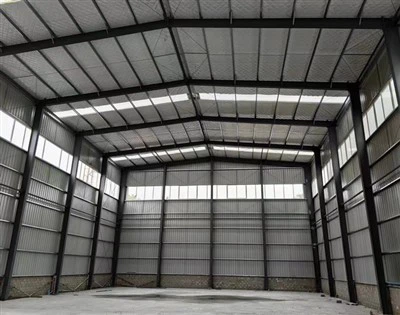
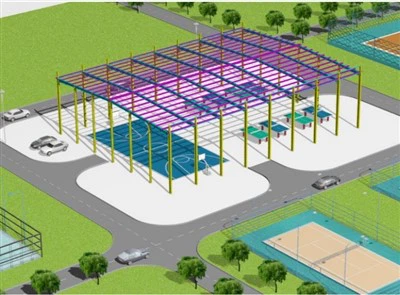
As a supplier of 60×100 prefab metal buildings, I often get asked about fire-resistant options. Fire safety is a crucial concern for any building, and prefab metal buildings are no exception. In this blog post, I'll explore the various fire-resistant options available for a 60×100 prefab metal building, discussing their benefits, limitations, and costs.
Understanding the Basics of Fire Resistance in Metal Buildings
Before delving into the specific fire-resistant options, it's important to understand how metal buildings perform in the event of a fire. Metal is a non-combustible material, which means it won't catch fire on its own. However, steel, the most common material used in prefab metal buildings, loses its strength at high temperatures. When exposed to fire, steel can start to deform and lose its load-bearing capacity, potentially leading to the collapse of the building.
To enhance the fire resistance of a 60×100 prefab metal building, we need to take steps to protect the steel structure from the heat of a fire. This can be achieved through various methods, including the use of fire-resistant coatings, insulation, and fire-rated partitions.
Fire-Resistant Coatings
One of the most common ways to improve the fire resistance of a metal building is by applying fire-resistant coatings to the steel structure. These coatings are designed to slow down the transfer of heat to the steel, giving firefighters more time to extinguish the fire and preventing the building from collapsing.
There are two main types of fire-resistant coatings: intumescent and non-intumescent. Intumescent coatings are the most popular choice for metal buildings. When exposed to heat, these coatings expand to form a thick, insulating char layer that protects the steel from the fire. Non-intumescent coatings, on the other hand, work by providing a physical barrier between the steel and the fire.
The benefits of using fire-resistant coatings include:
- Cost-effective: Fire-resistant coatings are generally more affordable than other fire protection methods, such as fire-rated insulation or partitions.
- Easy to apply: These coatings can be applied to the steel structure during the manufacturing process or on-site, making them a convenient option for prefab metal buildings.
- Minimal impact on building aesthetics: Fire-resistant coatings can be applied in a variety of colors and finishes, allowing them to blend in with the overall design of the building.
However, there are also some limitations to using fire-resistant coatings:
- Limited durability: Over time, fire-resistant coatings can wear off or become damaged, reducing their effectiveness. Regular inspections and maintenance are required to ensure the coatings remain in good condition.
- Not suitable for all applications: Fire-resistant coatings may not be suitable for buildings with high fire loads or in areas with strict fire safety regulations.
Fire-Rated Insulation
Another option for improving the fire resistance of a 60×100 prefab metal building is to use fire-rated insulation. Insulation helps to slow down the transfer of heat through the building envelope, reducing the risk of fire spreading and protecting the steel structure from the heat of a fire.
There are several types of fire-rated insulation available, including fiberglass, mineral wool, and foam insulation. Fiberglass insulation is a popular choice for metal buildings due to its affordability and ease of installation. Mineral wool insulation, on the other hand, offers better fire resistance and soundproofing properties. Foam insulation provides excellent thermal insulation but may require additional fire protection measures.
The benefits of using fire-rated insulation include:
- Improved energy efficiency: In addition to enhancing fire resistance, fire-rated insulation can also help to reduce energy costs by improving the thermal performance of the building.
- Enhanced soundproofing: Many fire-rated insulation materials also provide good soundproofing properties, making them a great choice for buildings where noise reduction is important.
- Long-lasting protection: Fire-rated insulation can provide long-term protection against fire, reducing the need for frequent maintenance and replacement.
However, there are also some limitations to using fire-rated insulation:
- Higher cost: Fire-rated insulation is generally more expensive than standard insulation materials.
- Installation challenges: Installing fire-rated insulation may require specialized equipment and expertise, which can add to the overall cost of the project.
- Limited availability: Some types of fire-rated insulation may not be readily available in all areas.
Fire-Rated Partitions
Fire-rated partitions are another important component of a fire-resistant 60×100 prefab metal building. These partitions are designed to prevent the spread of fire and smoke from one area of the building to another, providing a safe escape route for occupants and protecting valuable equipment and inventory.


There are several types of fire-rated partitions available, including drywall partitions, steel partitions, and glass partitions. Drywall partitions are the most common type of fire-rated partition used in metal buildings. They are relatively inexpensive and easy to install, but they may not provide the same level of fire resistance as steel or glass partitions.
The benefits of using fire-rated partitions include:
- Enhanced fire safety: Fire-rated partitions can help to contain a fire and prevent it from spreading throughout the building, reducing the risk of injury and property damage.
- Compliance with building codes: Many building codes require the use of fire-rated partitions in certain types of buildings, such as commercial and industrial facilities.
- Flexibility in design: Fire-rated partitions can be customized to meet the specific needs of the building, allowing for a variety of layout options.
However, there are also some limitations to using fire-rated partitions:
- Higher cost: Fire-rated partitions are generally more expensive than non-fire-rated partitions.
- Space requirements: Fire-rated partitions may require additional space in the building, which can reduce the usable floor area.
- Maintenance requirements: Fire-rated partitions need to be regularly inspected and maintained to ensure they remain in good condition.
Other Fire-Resistant Options
In addition to fire-resistant coatings, insulation, and partitions, there are several other options available for enhancing the fire resistance of a 60×100 prefab metal building. These include:
- Fire sprinkler systems: Fire sprinkler systems are an effective way to control and extinguish fires in a building. They can be installed in both new and existing metal buildings and are required by many building codes.
- Fire doors and windows: Fire doors and windows are designed to prevent the spread of fire and smoke from one area of the building to another. They are available in a variety of styles and materials and can be customized to meet the specific needs of the building.
- Smoke detectors and alarms: Smoke detectors and alarms are essential for early fire detection and warning. They can be installed throughout the building to provide occupants with enough time to evacuate in the event of a fire.
Conclusion
When it comes to fire safety, there are several options available for enhancing the fire resistance of a 60×100 prefab metal building. Fire-resistant coatings, insulation, partitions, sprinkler systems, doors, windows, and smoke detectors are all important components of a comprehensive fire protection strategy.
As a supplier of 60×100 prefab metal buildings, I can help you choose the right fire-resistant options for your specific needs and budget. Whether you're looking for a cost-effective solution or a high-end fire protection system, I have the expertise and experience to provide you with the best possible options.
If you're interested in learning more about our 60×100 prefab metal buildings or our fire-resistant options, please don't hesitate to contact us. We'd be happy to discuss your project with you and provide you with a free quote. You can also check out our other products such as 50 By 100 Metal Building, Prefabricated Steel Structure Workshop, and 40×70 Combo Metal Buildings.
References
- National Fire Protection Association. (2020). NFPA 5000: Building Construction and Safety Code.
- American Institute of Steel Construction. (2016). Steel Construction Manual, 15th Edition.
- International Building Code. (2018). International Code Council.