Hey there! As a supplier of prefabricated hotel buildings, I often get asked if these structures are easier to clean and maintain compared to traditional ones. Well, let's dive right into it and explore this topic.
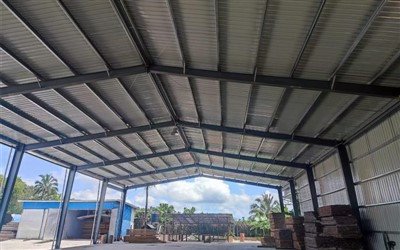
First off, let's talk about what prefabricated hotel buildings are. These are buildings that are constructed off - site in a factory and then transported to the final location for assembly. They can be made from various materials, but a popular choice is steel. You can check out Steel structure hotel and Modern Prefab Steel Buildings to get a better idea of what I'm talking about.
One of the major advantages of prefabricated hotel buildings when it comes to cleaning is the uniformity of the components. Since they are manufactured in a factory, the parts are standardized. This means that the surfaces are smooth and consistent, making it easier to clean. For example, the walls and floors in a prefabricated hotel room are likely to have fewer nooks and crannies compared to a traditional building. In a traditional building, there might be uneven plasterwork or irregularly shaped corners that can trap dirt and dust. But in a prefab, everything is designed to be cleanable. You can just use a regular vacuum cleaner or a mop to keep the floors spotless, and a simple wipe - down with a cleaning solution can take care of the walls.
Another aspect is the materials used. Steel, which is commonly used in prefabricated hotel buildings, is a very durable and low - maintenance material. It doesn't rot like wood, and it's resistant to pests. This means that you don't have to worry about termites or other insects causing damage to the structure. Plus, steel is easy to clean. You can use a mild detergent and water to clean the steel surfaces, and they'll look as good as new.
When it comes to the exterior of the building, prefabricated hotel buildings often have a sleek and modern design. The panels used on the outside are usually made of materials that are resistant to weathering. They don't fade easily, and they can withstand rain, wind, and sunlight. This reduces the need for frequent repainting or other exterior maintenance. In contrast, traditional buildings might require regular painting to protect the exterior from the elements, which can be time - consuming and costly.
Now, let's talk about the ease of maintenance. Prefabricated hotel buildings are designed with easy access to mechanical and electrical systems. In a factory - built building, the pipes, wires, and other utilities are neatly organized and labeled. This makes it much easier for maintenance workers to locate and fix any problems. For example, if there's a plumbing issue, the maintenance crew can quickly find the relevant pipe and make the necessary repairs. In a traditional building, the plumbing and electrical systems might be a maze, making it difficult to diagnose and fix problems.
Also, because prefabricated buildings are made in a controlled factory environment, the quality control is much better. The components are tested and inspected before they are shipped to the construction site. This means that there are fewer chances of hidden defects or problems that could lead to costly repairs down the line. For instance, the structural integrity of a prefabricated steel frame is carefully checked, ensuring that it can withstand the loads and stresses it will face over time.
In terms of energy efficiency, prefabricated hotel buildings often come with better insulation. This not only helps to reduce energy costs but also makes the building more comfortable for guests. Good insulation means that the heating and cooling systems don't have to work as hard, which in turn reduces wear and tear on these systems. This is another aspect of maintenance - less wear on the mechanical systems means fewer breakdowns and less money spent on repairs.
Let's consider the time factor. Cleaning and maintaining a prefabricated hotel building takes less time compared to a traditional one. The standardized design and easy - to - clean surfaces mean that cleaning crews can work more efficiently. And when it comes to maintenance, the quick access to systems and the high - quality components mean that repairs can be done faster. This is great for hotel owners, as it minimizes the disruption to guests.
However, it's not all sunshine and rainbows. There are a few things to keep in mind. For example, if there is damage to a prefabricated component, it might be necessary to order a replacement from the factory. This could take some time, especially if the component is a specialized one. But overall, the benefits of easier cleaning and maintenance far outweigh this minor drawback.
In conclusion, prefabricated hotel buildings are definitely easier to clean and maintain. The uniformity of components, the use of durable materials like steel, the easy access to systems, and the better energy efficiency all contribute to a lower maintenance burden. If you're in the market for a new hotel building, I highly recommend considering a prefabricated option.
If you're interested in learning more about our prefabricated hotel buildings or are thinking about making a purchase, feel free to reach out for a chat. We'd be more than happy to discuss your specific needs and how our products can meet them.
References


- General knowledge about prefabricated building construction and maintenance
- Industry reports on the benefits of prefabricated hotel buildings