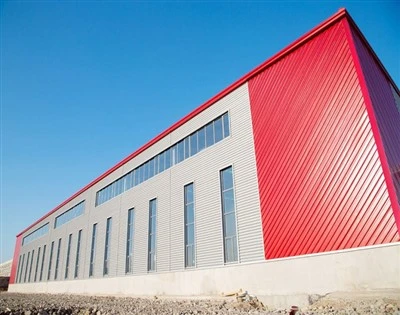
Hey there! As an industrial sheds supplier, I often get asked whether industrial sheds are resistant to extreme weather. It's a crucial question, especially considering the increasing frequency of extreme weather events worldwide. In this blog, I'll share my insights based on years of experience in the industry.
Understanding Extreme Weather
First off, let's talk about what we mean by extreme weather. Extreme weather includes a wide range of conditions such as hurricanes, tornadoes, heavy snowfalls, intense heatwaves, and severe thunderstorms. Each of these weather events poses unique challenges to industrial sheds.


Hurricanes and tornadoes bring high - speed winds that can exert enormous pressure on the structure of the shed. Heavy snowfalls add a significant amount of weight to the roof, which can lead to structural damage if the shed isn't designed to handle it. Intense heatwaves can cause materials to expand, and severe thunderstorms may bring heavy rainfall and lightning strikes.
Design and Construction for Weather Resistance
When it comes to making industrial sheds resistant to extreme weather, design and construction play a vital role.
Structural Design
The structural design of an industrial shed is the foundation of its weather resistance. For areas prone to high - speed winds, like coastal regions, the shed should be designed with a low - profile roof. A low - profile roof reduces the wind load on the structure. Additionally, the frame of the shed needs to be strong and well - braced. Steel is a popular choice for industrial shed frames because it has high strength - to - weight ratio. It can withstand high winds and heavy loads without being overly heavy.
For snow - prone areas, the roof pitch is crucial. A steeper roof pitch allows snow to slide off more easily, reducing the weight on the roof. The frame also needs to be designed to support the additional load of snow.
Materials Selection
The choice of materials is also important. For the exterior cladding, materials like galvanized steel are often used. Galvanized steel is coated with a layer of zinc, which protects it from corrosion caused by moisture, rain, and snow. This makes it a great choice for withstanding different weather conditions.
Insulation is another key factor. In areas with extreme temperature variations, proper insulation helps to maintain a stable internal temperature. It also protects the shed's interior from the effects of heatwaves and cold snaps.
Our Product Offerings
We offer a variety of industrial sheds that are designed to be resistant to extreme weather.
- Prefabricated Factory Shed: These sheds are pre - fabricated, which means they are built in a controlled factory environment. This allows for high - quality construction and precise engineering. They can be customized to meet the specific weather requirements of different locations. For example, if you're in a hurricane - prone area, we can reinforce the structure to withstand high winds.
- Prefabricated Industrial Shed: Similar to prefabricated factory sheds, these are also pre - built and can be quickly assembled on - site. They are designed with weather resistance in mind, using high - quality materials and advanced construction techniques.
- Peb Industrial Shed: Pre - engineered buildings (PEB) are known for their strength and durability. They are designed to be flexible and can be adapted to different weather conditions. Whether it's heavy snow or high winds, a PEB industrial shed can be engineered to handle it.
Case Studies
Let me share a couple of case studies to illustrate how our industrial sheds have withstood extreme weather.
In a coastal area that was hit by a major hurricane, one of our prefabricated factory sheds remained intact. The shed was designed with a low - profile roof and a reinforced steel frame. The galvanized steel cladding protected it from the corrosive effects of the saltwater carried by the hurricane. The customers were able to continue their operations shortly after the hurricane passed, thanks to the shed's weather resistance.
In a region with heavy snowfall, a Peb industrial shed we supplied performed well. The steep roof pitch allowed the snow to slide off, and the frame was designed to support the heavy snow load. There was no structural damage to the shed, and the business inside was able to function normally throughout the winter.
Maintenance for Long - Term Weather Resistance
Even the most well - designed industrial sheds need regular maintenance to ensure long - term weather resistance.
- Inspection: Regularly inspect the shed for any signs of damage, such as loose bolts, cracks in the cladding, or rust. Catching these issues early can prevent more serious problems down the line.
- Cleaning: Keep the shed clean. Remove any debris from the roof and gutters to prevent water from pooling. This can help prevent leaks and water damage.
- Repairs: If you notice any damage, make repairs as soon as possible. Replace any damaged parts to maintain the shed's structural integrity.
Conclusion
So, are industrial sheds resistant to extreme weather? The answer is yes, if they are properly designed, constructed, and maintained. Our company takes pride in providing high - quality industrial sheds that can withstand a variety of extreme weather conditions. Whether you're in a hurricane - prone area, a region with heavy snowfall, or somewhere with intense heatwaves, we have a solution for you.
If you're in the market for an industrial shed and want to discuss your specific needs, don't hesitate to reach out. We're here to help you find the perfect shed that will keep your business protected, no matter what the weather throws at it.
References
- Building Codes and Standards for Industrial Structures
- Research on the Effects of Extreme Weather on Industrial Buildings
- Manufacturer's Guidelines for Industrial Shed Maintenance